> For the complete documentation index, see [llms.txt](https://daton-sarasanalytics.gitbook.io/daton/llms.txt). Markdown versions of documentation pages are available by appending `.md` to page URLs; this page is available as [Markdown](https://daton-sarasanalytics.gitbook.io/daton/integrations/data-sources/advertising/rakuten/how-to-integrate-rakuten-with-daton.md).
# How to Integrate Rakuten with Daton
This subtopic provides step-by-step instructions to create Rakuten integrations in Daton, detailing the prerequisites, the integration process, and important notes.
### Pre-requisites
Before starting, ensure you have
* An active Daton and Rakuten Advertising account.
* Rakuten API token.
### Task 1**: Get your** Rakuten **API Token and Report Names**
1. Sign in to your Rakuten Account and access the **Advertiser Dashboard**.
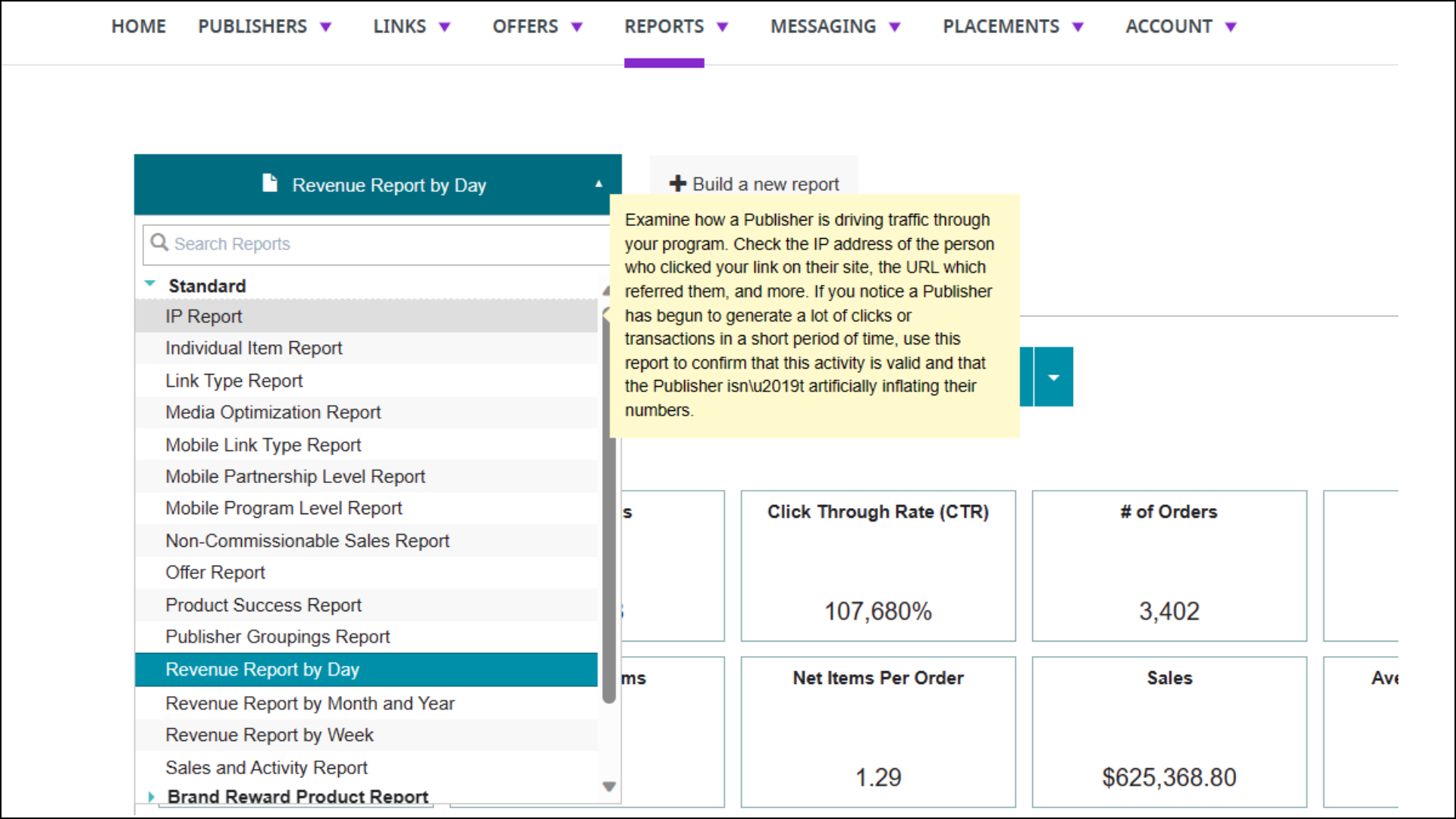
2. Navigate to the **Reports** section and click on **Reporting**.
3. Click on **Choose Report** and choose the specific **Report Name** you intend to integrate with Daton.
4. After selecting the report, its details will appear on the screen. Now, go to **View Report** and click **Get API**.
5. Your API URL will be displayed in the following format:\
`https://reporting.rakutenmarketing.com/en/reports/`**`report-name`**`/filters?date_range=this-summary=Y&tz=GMT&date_type=transaction&token=`**`YourAPIToken`**
Be sure to copy both the Report Name and the API Token for future use in your system.
### Task 2**:** Integrate Daton with Rakuten
1. Log in to your [Daton account](https://daton.sarasanalytics.com/u/integrations-list) and search for Rakuten in the list of Connectors, then click **Configure**.
2. Enter or select the following details and click **Authenticate**:
* Integration Name. Note that the Integration Name will be used to create the integration tables and cannot be modified later.
* Optionally, add a description to identify the integration.
* Replication Frequency
* Replication Start Date
* Attribution Window
* Optionally, expand the **Advanced Configuration Options** section and, based on your requirements, modify the options to control the loading behavior of Daton.
3. Provide the following in the required fields to authenticate the integration. Then click **Authenticate**.
* Rakuten API Token
* Report Names
{% hint style="info" %}
It's important to note that:
* The Report Name field is the determining factor for table data in the destination schema.
* Tables in the destination will be named as Report\_1, Report\_2, and so forth.
* A maximum of 5 reports can be allocated in a single integration.
{% endhint %}
4. After successful authentication, you will be prompted to choose from the list of the reports provided in the 3rd step. Select the reports you want to replicate and click **Next**.
* Based on your requirement, select specific options for each selected table.
* **Note** that you will be prompted to select the destination for your account.
5. Select the destination for extracting Rakuten data for replication and click **Confirm**. An integration successful message will be displayed.
## Important Note
* Integrations would begin in the Pending state and change to the Active state once the first job successfully loaded data into the configured warehouse.
* Users can check job status and process logs from the integration details page by clicking on the integration name in the active list.
* Users can Re-Authenticate, Edit, Clone, Pause, or Delete the integration at any moment by clicking on settings. You can also adjust the frequency and history of the integration.
* On the Sources page, click Integration to access each table in your integration. The page also shows the state of each table, the last replicated time, and the Reload access buttons.



.png?alt=media&token=d5ee93bc-0f28-41ce-bd7b-3603d99bba3d)